Brahma Chickens
Our Services
Brahma Chickens
Discover the Brahma chicken, gentle giants of the poultry world, admired for their calm nature, beauty, winter laying, and hardy yet unique care needs.
Care for Your Chickens
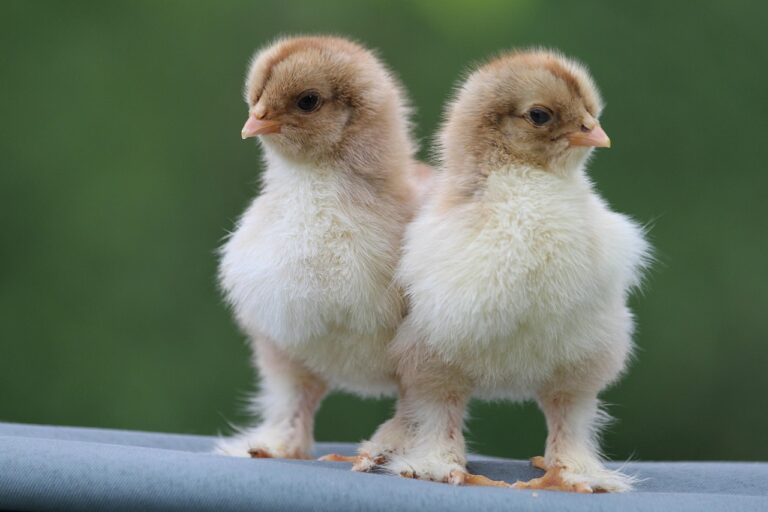
Learn how to care for Brahma chicks, from brooder setup and feeding to common mistakes, health issues, and transitioning them into strong, healthy hens.
Equipment Needed
Equip your Brahma chicks with brooder boxes, heat lamps, feeders, and waterers—safe, hygienic essentials for healthy growth and strong flocks.
What is a Brahma Chicken?
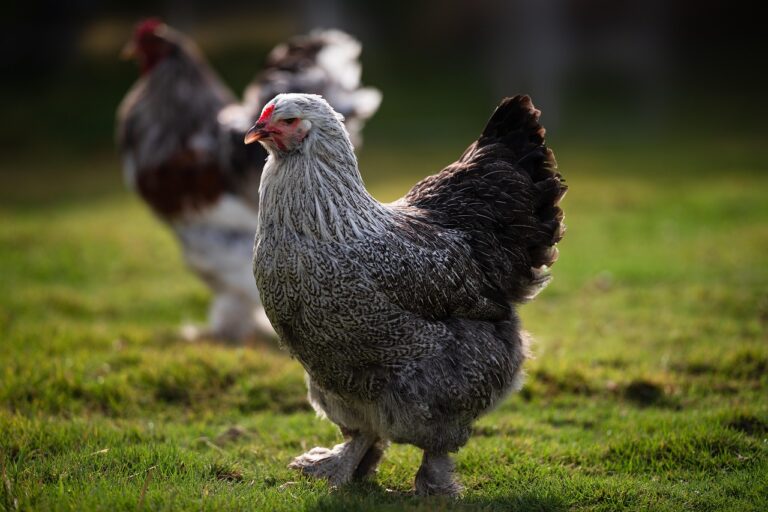
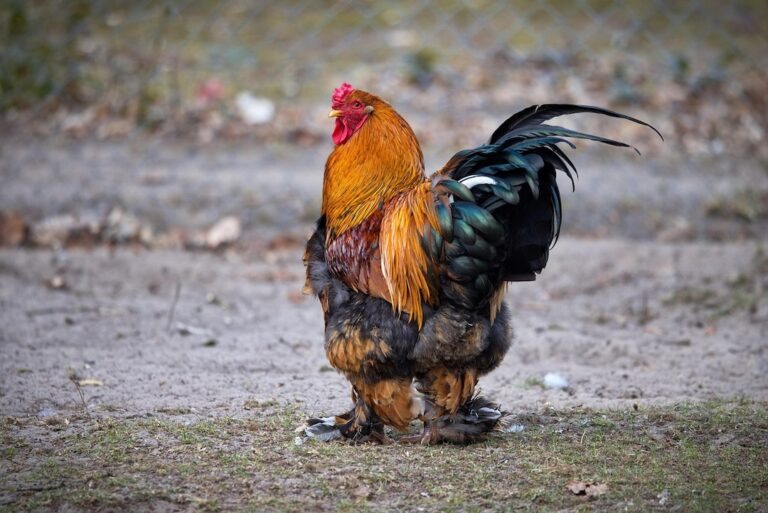
Often affectionately called the “Gentle Giants” of the poultry world, the Brahma chicken is a truly magnificent and impressive breed. Originating from Asia and further developed in the United States in the mid-1800s, they are one of the largest chicken breeds available. Their sheer size is their most defining characteristic, with roosters often standing tall and proud, weighing up to 5.5 kilograms, and hens reaching a substantial 4.5 kilograms. This isn't a bird that goes unnoticed in a backyard flock; their stately presence and calm demeanour command attention.
Visually, Brahma chickens are stunning. They have a thick, fluffy plumage that extends all the way down their shanks and covers their outer and middle toes, giving them a distinctively grand, "booted" appearance. This heavy feathering makes them look even larger than they are and provides excellent insulation. They possess a small pea comb and short, strong beak, and their skull is broad, with eyes set deep. This combination gives them a noble and intelligent expression. Here in Australia, the most commonly seen varieties are the Light, Dark, and Buff colour patterns, each with intricate and beautiful lacing or colour contrasts that make them a living work of art in any garden. Their upright posture and large, powerful build are a testament to their heritage as a reliable, dual-purpose breed.
Why Choose a Brahma Chicken?
If you are thinking of keeping chickens then choosing a Brahma chicken for your backyard flock is a decision you'll appreciate every day, especially for families and those new to keeping poultry. Their most celebrated trait is their remarkably docile and gentle temperament. Unlike more flighty or assertive breeds, Brahmas are known for being calm, friendly, and incredibly easy to handle. They are rarely flustered and tend to be very trusting of their human keepers. This makes them an exceptional choice for families with children, as they are patient and tolerant, allowing kids to get involved in their care without the worry of aggressive behaviour. Their quiet nature is also a significant advantage for those living in the suburban parts of Logan, as their soft clucking is far less likely to disturb neighbours than the loud calls of other breeds.
Beyond their wonderful personality, Brahmas are highly practical. They are reliable layers of large, brown eggs, and they have the unique advantage of being excellent winter layers. While many other breeds slow down or stop laying completely during the cooler months, a Brahma hen will often continue to provide your family with fresh eggs right through winter. They are also known to be excellent mothers, readily going broody and diligently caring for a clutch of chicks if you wish to hatch your own. Their size makes them very hardy, and their calm nature means they adapt well to confinement in a secure run, making them a versatile option for various backyard sizes. They are truly an all-in-one package: a beautiful, productive, and wonderfully gentle companion, so keeping chickens, especially Brahma chickens is an obvious choice.
Challenges with Having Brahma Chickens
While Brahmas are a superb breed, their unique characteristics do present a few challenges that potential owners should be aware of, particularly in our Queensland climate. Their most notable feature, the heavy feathering on their feet and legs, requires special attention. In wet weather, these feathers can become caked with mud, which can lead to discomfort and health issues like scaly leg mites or fungal infections. It's crucial to ensure their coop and run have areas with good drainage and dry bedding to keep their feet clean.
Their large size means they simply need more of everything: more space in the coop for roosting, larger nesting boxes, and a higher food intake compared to smaller breeds like Leghorns or Silkies. You must factor in the increased feed cost when planning for Brahmas. Furthermore, their large, heavy bodies mean they are not graceful fliers and require low roosts to prevent leg and foot injuries when they jump down.
Perhaps the most significant challenge for Brahma owners in Logan and Southeast Queensland is managing them in our hot, humid summers. Being a large, heavily feathered breed developed for colder climates, they can be susceptible to heat stress. Providing ample shade is non-negotiable. Access to cool, fresh water at all times is critical, and some owners even provide frozen treats or a shallow pool of water for them to stand in on scorching days. Their slower maturation rate also means you will wait longer for them to start laying eggs compared to some commercial hybrid breeds, often around 6-7 months.
A boutique chicken breeding business located on our serene acreage property in the heart of Southeast Queensland. We are dedicated to the ethical incubation, hatching, and rearing of purebred Brahma chickens, often called the "King of Chickens" for their majestic size and unparalleled, docile nature.