Care for Your Chickens

Our Services

Brahma Chickens

Discover the Brahma chicken, gentle giants of the poultry world, admired for their calm nature, beauty, winter laying, and hardy yet unique care needs.

Care for Your Chickens

Learn how to care for Brahma chicks, from brooder setup and feeding to common mistakes, health issues, and transitioning them into strong, healthy hens.

Equipment Needed

Equip your Brahma chicks with brooder boxes, heat lamps, feeders, and waterers—safe, hygienic essentials for healthy growth and strong flocks.
Care of Day-Old Chicks

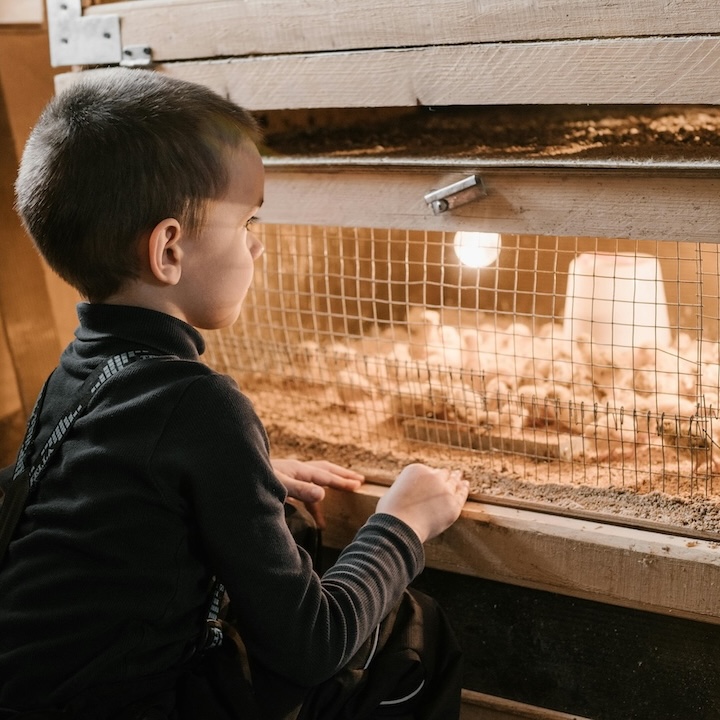
Bringing home day-old Brahma chicks is an incredibly exciting experience, but their first few weeks are a critical period where they are completely dependent on you for survival. Raising chicks is a fantastic experience for all the family and the most important element is warmth. Chicks cannot regulate their own body temperature and require a consistent heat source. Before your chicks arrive, you must have a brooder box set up and pre-heated to approximately 35°C. This temperature should be measured directly under the heat lamp at the level of the bedding. When you first introduce the chicks to the brooder, gently dip each one's beak into the water container so they learn where to drink immediately. Dehydration is a major risk in the first 24 hours.

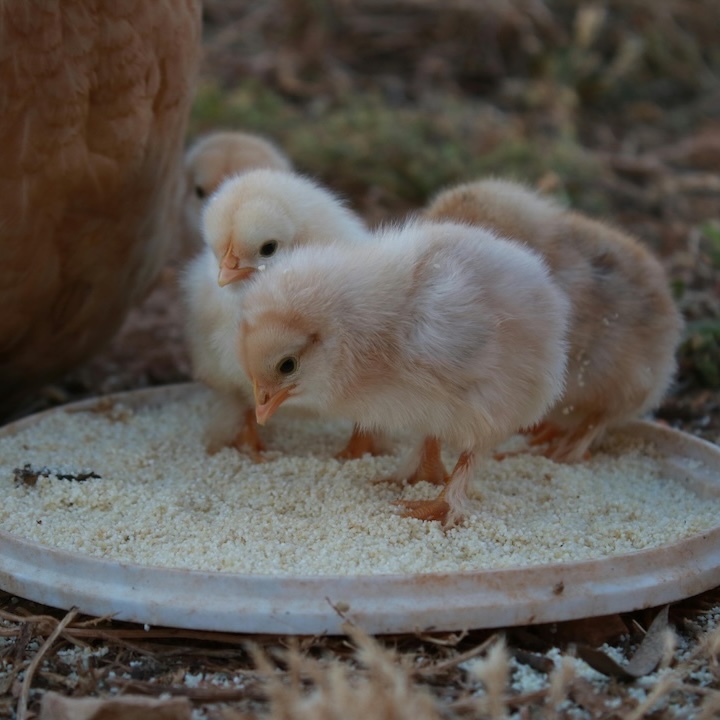
The brooder should be a safe, draft-free environment with at least 5-7cm of clean, dry bedding like pine shavings. Watch their behaviour closely: if they are huddled directly under the heat lamp, they are too cold. If they are spread out far away from the heat, they are too hot. Content chicks will be spread evenly throughout the brooder, peeping contentedly. You must provide a high-quality chick starter feed, available 24/7 in a feeder that is shallow enough for them to access but designed to prevent them from soiling it. Check their bottoms regularly for "pasty butt," a condition where droppings clog their vent, which can be fatal if not gently cleaned away with a warm, damp cloth.

Equipment You Will Need

Setting up for raising chicks requires a specific list of equipment to ensure their health and safety from day one. This isn't an area to cut corners, as the right gear prevents the most common and fatal problems. First and foremost is the brooder box itself. This is their home for the first 6-8 weeks and must be a draft-free container with solid walls high enough to prevent them from jumping out as they grow. Next is a reliable heat source, typically a 250-watt heat lamp (red bulbs are often preferred as they discourage pecking) with a protective guard and a heavy-duty clamp. A thermometer placed inside the brooder is non-negotiable for accurately monitoring the temperature.

For food and water, you will need a chick-specific feeder and waterer. These are designed to minimise waste and, most importantly, prevent drowning. Chick waterers have a very narrow trough that allows them to drink without falling in and getting fatally chilled. You will need a supply of absorbent bedding, with pine shavings being the most recommended option. Avoid using slippery materials like newspaper, which can cause leg problems, or aromatic cedar shavings, which can be toxic to their respiratory systems. Finally, you will need a bag of high-protein chick starter feed, which is specially formulated with the essential nutrients and vitamins they need for healthy growth during this critical phase of their lives.

Consistency and observation are the keys to successfully raising healthy chicks. Your daily routine should revolve around a checklist of positive actions. First, do check on your chicks multiple times a day, especially in the first week. Each check should confirm that the temperature is correct, and that they have constant access to fresh food and clean water. Water containers can become soiled very quickly, so they must be cleaned and refilled daily, if not more often. Do ensure the bedding is kept clean and dry. Wet or soiled bedding is a breeding ground for harmful bacteria and can lead to coccidiosis, a common and deadly chick illness. Spot-clean daily and completely change the bedding every few days.

Do watch their behaviour carefully. Active, alert chicks that are eating, drinking, and exploring are healthy chicks. A lethargic chick that is sitting hunched or separated from the others is often the first sign of a problem. Do spend quiet time around the brooder. This gets the chicks accustomed to your presence and voice, which will make them calmer and easier to handle as adult Brahma chickens. As they grow, do give them more space. Overcrowding can lead to stress, feather pecking, and a rapid spread of illness. Following these simple, proactive steps will give your chicks the best possible start in life and lay the foundation for a healthy, happy flock.

Just as important as knowing what to do is understanding the common mistakes that can jeopardise the health of your chicks. First and foremost, do not let them get cold or wet. A chilled chick can die very quickly. Ensure the brooder is always warm and draft-free, and if a chick does get wet, dry it gently and thoroughly with a towel before returning it to the heat source. Do not introduce them to the main flock too early. Older chickens can carry diseases that chicks have no immunity to, and they will almost certainly bully and harm the small newcomers. They should be kept separate until they are fully feathered and nearly the same size as the adults.

In terms of their environment, do not use cedar shavings for bedding, as the aromatic oils can cause severe respiratory damage. Similarly, avoid newspaper on its own as the slippery surface can lead to a debilitating leg condition called "splayed leg." When it comes to their diet, do not give them treats like kitchen scraps, mealworms, or greens for the first few weeks. Their digestive systems are delicate and need only the balanced nutrition of a quality chick starter feed. Finally, do not overcrowd your brooder. As they grow, they need more space. A crowded environment leads to stress, bullying, and a rapid build-up of waste and disease, so be prepared to upgrade to a larger space as needed.

Care of 2-Week-Old and Caring for Hens

As your chicks grow past the two-week mark, they begin a fascinating transformation from fragile fluffballs into resilient young birds. Your care routine will need to adapt accordingly. The most important change is temperature management. You can start reducing the brooder temperature by about 3°C each week. A good guide is the chicks’ behaviour; as they feather out, they will rely less on the heat lamp. By 6-8 weeks, when they are fully feathered, they should be comfortable at ambient temperatures, provided it's not cold or drafty. This is the time to start planning their transition to the main coop.

Their dietary needs also change. They can remain on chick starter feed until about 8 weeks of age, at which point you should switch them to a "grower" feed. This feed has a slightly lower protein content and is designed for the adolescent stage of their development. You can also start introducing small amounts of supervised "outside time" on warm, sunny days in a secure, predator-proof pen. This allows them to scratch in the dirt, forage for insects, and get accustomed to the outdoors. These excursions should be short at first and gradually lengthened. When they are around 18-20 weeks old, it's time to transition them to a "layer" feed, which contains the extra calcium they will need to produce strong eggshells once they begin to lay. Just to clarify, caring for hens requires different food and housing to when you are caring for chicks.

Problems You Can Encounter

Even with the best care, you may encounter health problems, and being able to identify them early is crucial. One of the most common issues in young chickens is Coccidiosis, a parasitic disease that thrives in damp, warm conditions. Symptoms include bloody droppings, lethargy, and ruffled feathers. Using a medicated chick starter or maintaining impeccable hygiene is the best prevention. Pasty butt, where droppings stick to and block the vent, is common in the first week and must be gently cleaned.

As they get older, external parasites like mites and lice can become a problem, especially in the warm Logan climate. Regular flock inspections, particularly around the vent and under the wings, are essential. Dust baths are their natural way of controlling these pests, so ensure they have access to an area of dry dirt or sand. Bullying and feather pecking can occur if birds are overcrowded, bored, or stressed. Ensure they have enough space, feeders, and things to keep them occupied. Lastly, be vigilant for signs of respiratory illness, such as sneezing, coughing, or discharge from the nostrils or eyes. Isolating any sick bird immediately is the most important step to prevent the spread of disease through your entire flock.

A boutique chicken breeding business located on our serene acreage property in the heart of Southeast Queensland. We are dedicated to the ethical incubation, hatching, and rearing of purebred Brahma chickens, often called the "King of Chickens" for their majestic size and unparalleled, docile nature.

Copyright © 2025 Brahma Chickens. All Rights Reserved.